

on July 02, 2026

Deep sleep is defined as slow-wave, non-REM sleep, the stage where your body and brain do their most critical repair work. Getting the deep sleep benefits explained clearly matters because this phase drives growth hormone release, activates the brain’s glymphatic system, and lowers your heart rate for cardiovascular recovery. Most people know sleep is good for them, but few realize how much of their energy, memory, and physical health depends specifically on this one stage. If you wake up tired, foggy, or sore despite a full night in bed, your deep sleep quality is likely the missing piece.
What are the primary physiological benefits of deep sleep?
Deep sleep is the body’s primary repair window. The moment you enter slow-wave sleep, your pituitary gland releases a surge of growth hormone that drives muscle rebuilding, tissue regeneration, and bone strengthening. This same hormone improves insulin sensitivity and supports fat metabolism. Without enough deep sleep, your body simply cannot complete these processes, no matter how well you eat or train.
Here is what deep sleep does for your body each night:
- Muscle and tissue repair: Growth hormone peaks during slow-wave sleep, rebuilding microtears from daily activity and exercise.
- Cardiovascular recovery: Heart rate and blood pressure drop to their nightly lows during deep sleep, giving your heart a genuine rest from daily stress.
- Metabolic regulation: Deep sleep improves insulin sensitivity and supports stable blood sugar, reducing long-term metabolic risk.
- Immune strengthening: Your immune system releases cytokines during deep sleep, proteins that fight infection and inflammation.
- Brain detoxification: The glymphatic system activates to flush neurotoxic waste proteins from the brain, a process explained further below.
Deep sleep is not passive downtime. It is an actively regulated physiological process essential for metabolic balance and brain waste clearance. Treating it as mere rest is one of the most common and costly misconceptions in wellness.
The cardiovascular benefit alone is worth protecting. Your heart rate and blood pressure reach their lowest points during deep sleep. That nightly dip is when your cardiovascular system recovers from the strain of the day. People who consistently miss deep sleep lose that recovery window, and the cumulative effect on heart health is significant.
How does deep sleep impact cognitive health and longevity?
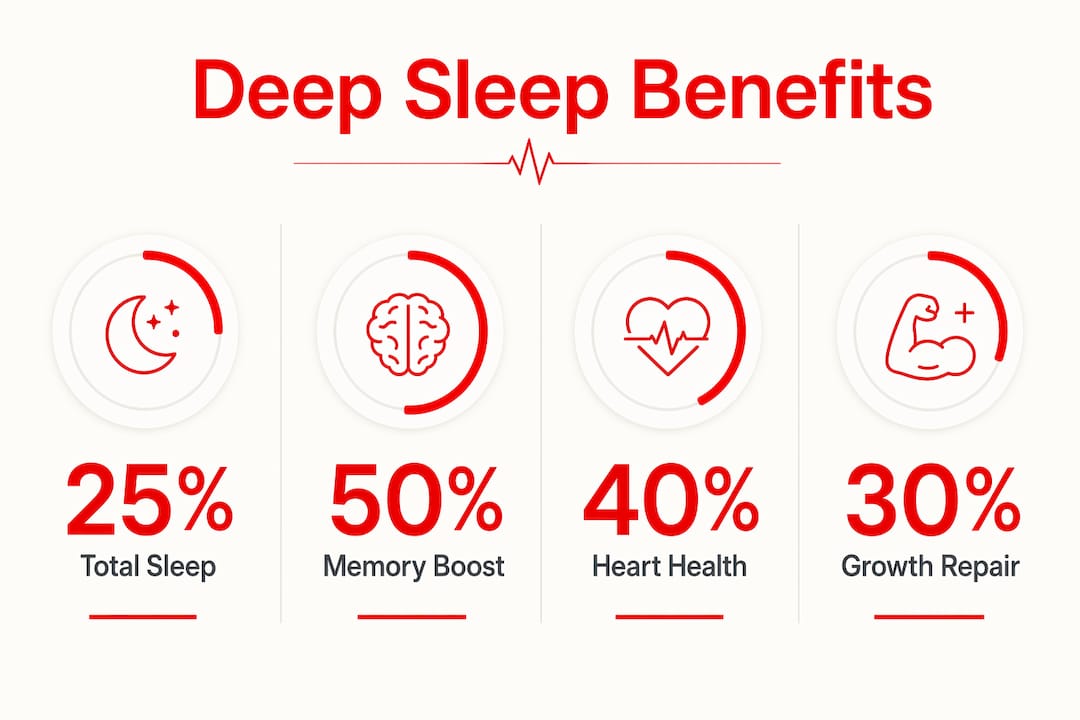
Deep sleep is the brain’s nightly cleaning cycle. During slow-wave sleep, rhythmic pulses of cerebrospinal fluid driven by the glymphatic system flush out beta-amyloid and tau proteins. Both proteins are directly linked to Alzheimer’s disease risk pathways. This is not a minor benefit. It is one of the strongest biological arguments for protecting your sleep.

Deep sleep also drives memory consolidation. During slow-wave sleep, your brain transfers information from short-term storage to long-term memory. This is why a poor night before an exam or a big presentation hurts your recall so sharply. The transfer simply did not complete.
Here is what happens cognitively when deep sleep is consistently short or fragmented:
- Brain fog: Neurotoxic proteins accumulate faster than the glymphatic system can clear them.
- Poor memory: Short-term to long-term memory transfer is incomplete, leaving gaps in recall.
- Slower learning: New skills and information fail to consolidate properly overnight.
- Higher dementia risk: Chronic glymphatic disruption accelerates neurotoxic protein buildup over years.
Deep sleep and REM sleep work as a team. Deep sleep handles physical restoration and cognitive clarity, while REM sleep supports emotional processing and memory integration. You need both. Prioritizing one at the expense of the other leaves gaps in your recovery. The goal is a full, uninterrupted sleep cycle that includes adequate amounts of each stage.
What lifestyle habits support or disrupt deep sleep quality?
You cannot directly command your brain to produce more deep sleep. What you can do is create the right conditions for it. Prevention of deep sleep disruption through lifestyle consistency and environment optimization is the most effective strategy available.
Here are the habits that matter most:
- Keep a consistent sleep schedule. Going to bed and waking at the same time every day, including weekends, anchors your circadian rhythm and protects slow-wave sleep architecture.
- Cool, dark, and quiet bedroom. A room temperature around 65–68°F signals your body to drop its core temperature, which is a biological trigger for deep sleep entry.
- Avoid alcohol near bedtime. Alcohol suppresses slow-wave activity even in moderate amounts. It may help you fall asleep faster, but it cuts the restorative depth of that sleep significantly.
- Limit caffeine after noon. Caffeine blocks adenosine receptors for up to 10 hours. Late caffeine intake delays sleep onset and reduces slow-wave sleep duration.
- Exercise regularly. Physical activity increases melatonin production and reduces cortisol, both of which support deeper, more consolidated sleep cycles.
- Manage stress actively. Elevated cortisol is a direct disruptor of deep sleep. Practices like breathwork, journaling, or a consistent wind-down routine lower cortisol before bed.
Pro Tip: Pink noise, a steady, balanced sound similar to rainfall, has shown early promise in research for supporting slow-wave sleep. Playing it softly during sleep may help deepen your rest without any medication.
Chronically fragmented sleep is a hidden problem. Even if your total sleep time looks adequate, fragmented cycles reduce cumulative deep sleep benefits by interrupting the completion of full sleep cycles. Waking up multiple times a night, even briefly, chips away at the slow-wave sleep your body needs.
How much deep sleep do you need each night?
Adults typically get 1–2 hours of deep sleep per night, which represents roughly 15–25% of total sleep time. Most of this occurs in the first half of the night, during the earliest sleep cycles. This is why the first few hours of sleep are the most physically restorative and why cutting sleep short in the early part of the night is especially damaging.
| Factor | Effect on deep sleep |
|---|---|
| Age | Deep sleep naturally decreases with age, especially after 30 |
| Physical activity | Regular exercise increases slow-wave sleep duration |
| Alcohol consumption | Suppresses slow-wave activity even in small amounts |
| Sleep fragmentation | Reduces cumulative deep sleep even with adequate total hours |
| Stress and cortisol | Elevated cortisol shortens and disrupts slow-wave cycles |
Signs that you are not getting enough deep sleep include:
- Waking up tired despite 7–8 hours in bed
- Persistent brain fog and difficulty concentrating
- Poor short-term memory and slow recall
- Worsening chronic pain or muscle soreness
- Frequent illness from a weakened immune response
One common misconception is that you can catch up on lost deep sleep over the weekend. You can recover some sleep debt, but you cannot fully restore the missed glymphatic clearance or the growth hormone pulses from earlier nights. Consistency matters far more than occasional long sleep sessions. If you want to understand more about why you might wake up tired even after a full night, the hormonal and metabolic disruptions from poor deep sleep are usually the answer.
Key Takeaways
Deep sleep is the single most physically and neurologically restorative stage of the sleep cycle, and protecting it requires consistent habits, not willpower.
| Point | Details |
|---|---|
| Growth hormone and repair | Deep sleep triggers peak growth hormone release for muscle, tissue, and metabolic recovery. |
| Glymphatic brain clearance | Slow-wave sleep flushes beta-amyloid and tau proteins, reducing dementia risk over time. |
| Cardiovascular recovery | Heart rate and blood pressure drop to their nightly lows only during deep sleep. |
| 1–2 hours is the target | Adults need roughly 15–25% of total sleep as deep sleep, mostly in early cycles. |
| Habits over hacks | Consistent schedule, cool room, and no alcohol near bedtime protect deep sleep best. |
Why I think most people are protecting the wrong part of their sleep
Here is something I have noticed that most sleep content gets wrong. People obsess over total hours and almost never think about sleep architecture. You can spend 9 hours in bed and still wake up depleted if your slow-wave sleep is fragmented or suppressed. That is the real issue for most busy people.
The habits that hurt deep sleep most are also the most socially normalized. A glass of wine to wind down. Scrolling until midnight. Sleeping in on weekends to compensate. Each of these feels harmless, but they directly chip away at the slow-wave stages your body depends on for physical repair and brain detoxification. The research on glymphatic clearance genuinely changed how I think about late nights. Skipping deep sleep is not just tiredness the next day. It is accumulated neurotoxic protein that your brain did not get to clear.
My honest recommendation is to protect the first half of your night above everything else. That is where most of your deep sleep lives. A consistent bedtime, a cool room, and a genuine wind-down routine are not wellness clichés. They are the conditions your biology requires. Pairing those habits with the right sleep support supplement can make the transition to sleep smoother and more consistent, especially for people whose minds race at night.
— From
Sleep support that works from the inside out
If you have been working on your sleep habits and still feel like something is missing, the right supplement can fill that gap without relying on prescription sedatives.

Fromwithin’s sleep aid is designed to naturally promote relaxation and support deeper, more restorative rest. It works with your body’s own rhythms rather than overriding them. And because deep sleep is also when your body repairs skin and connective tissue, pairing a sleep aid with Fromwithin’s collagen supplements gives your body the raw materials it needs during that repair window. Both products use clinically researched ingredients with clear transparency on what is inside. If you want sleep that actually restores you, starting from within is the right approach.
FAQ
What is deep sleep and why does it matter?
Deep sleep, also called slow-wave or non-REM stage 3 sleep, is the phase where your body releases growth hormone, repairs tissue, and activates the glymphatic system to clear brain toxins. It is the most physically and neurologically restorative stage of the sleep cycle.
How much deep sleep does an adult need per night?
Adults typically need 1–2 hours of deep sleep per night, representing roughly 15–25% of total sleep time, with most occurring in the first half of the night.
Can alcohol help you sleep more deeply?
No. Alcohol acts as a sedative that helps you fall asleep faster but suppresses slow-wave activity, reducing the quality and quantity of deep sleep you actually get.
What are the signs of deep sleep deprivation?
Chronic fatigue despite adequate hours in bed, brain fog, poor memory, worsening chronic pain, and frequent illness are the most common signs that your slow-wave sleep is insufficient.
Does deep sleep affect skin health?
Yes. Growth hormone released during deep sleep supports collagen production and tissue repair, which directly affects skin elasticity and recovery. You can read more about how sleep supports skin health and what that means for your complexion.
