

on August 07, 2026

If you want the short answer: melatonin works best for circadian timing issues (jet lag, shift work, delayed sleep phase); magnesium glycinate suits general relaxation and deficiency-related insomnia; L-theanine helps when anxiety is keeping you awake; and glycine supports overall sleep quality without morning grogginess. Start with one, dose low, and give it two to four weeks before deciding it works or doesn’t.
A quick guide for tonight:
- Can’t fall asleep due to a shifted schedule? Try melatonin taken 1–2 hours before your target bedtime.
- Lying awake with a racing mind? L-theanine or magnesium glycinate is your best first step.
- Waking up in the night or feeling unrefreshed? Glycine or magnesium glycinate are worth trying first.
One thing to hold onto before you reach for any supplement: Cognitive Behavioral Therapy for Insomnia (CBT-I) is the gold standard for chronic insomnia, recommended by Johns Hopkins and sleep specialists across the board. Supplements are genuinely useful as short-term, targeted support, but they work best alongside good sleep habits, not instead of them. If you’re on prescription medications or pregnant, check with your clinician before adding anything new.
Table of Contents
- Evidence summaries for the most widely used sleep supplements
- How to dose and time sleep supplements for best results
- How the evidence in this article was selected
- Key Takeaways
- What I’d actually tell a friend about sleep supplements
- Fromwithin Sleep Better: a non-hormonal option worth knowing about
- Useful sources and further reading
Evidence summaries for the most widely used sleep supplements
Melatonin
Melatonin is a hormone your pineal gland produces naturally in response to darkness. As a supplement, it doesn’t knock you out; it shifts your internal clock. That’s why it works well for circadian problems (jet lag, shift work, delayed sleep phase) but is less effective for general insomnia where your clock is already aligned.
Johns Hopkins Medicine notes that melatonin supplements are not regulated by the FDA, meaning per-pill dosage and purity can vary significantly between brands. Their guidance: pick one reputable brand and stick with it. Most people take far too much. Low doses of melatonin are often as effective as higher doses for circadian issues, with fewer side effects.
Evidence strength: Strong RCT support for circadian problems; moderate for general sleep onset. Common side effects: Vivid dreams, morning grogginess at higher doses, headache. Formulation note: Immediate-release works for sleep onset; extended-release may help with sleep maintenance.
Magnesium (glycinate, citrate)
Magnesium plays a role in regulating GABA receptors and the nervous system’s ability to wind down. Research published in PMC supports its use for improving sleep outcomes, particularly in older adults and people with low dietary magnesium. Magnesium glycinate is the preferred form for sleep because it combines magnesium with glycine, improving absorption and adding glycine’s own calming effects. Magnesium citrate is a reasonable alternative but has a stronger laxative effect at higher doses.
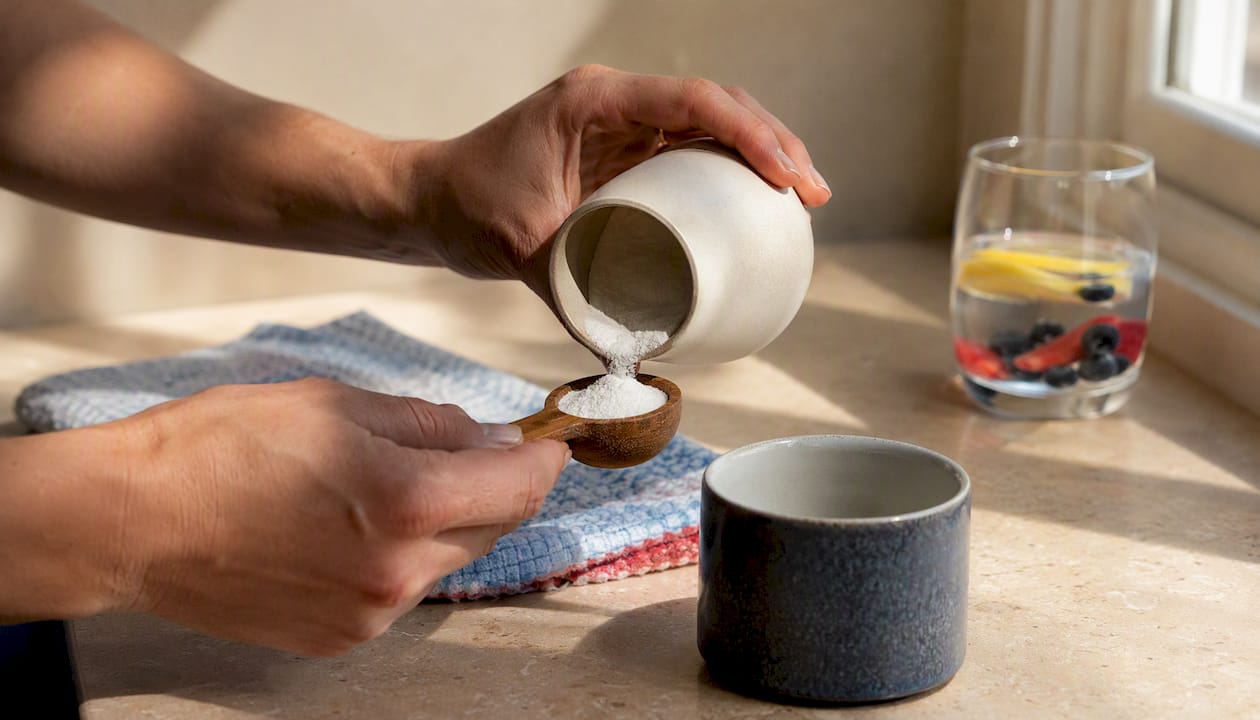
Evidence strength: Multiple RCTs, strongest in populations with magnesium deficiency. Typical dose: 200–400 mg elemental magnesium, taken 30–60 minutes before bed. Side effects: Loose stools at high doses (especially citrate); generally well tolerated.
L-theanine
L-theanine is an amino acid found naturally in green tea. It promotes alpha brain wave activity, which is associated with a relaxed but alert mental state. A clinical review in PMC found that 100–200 mg can reduce anxiety and improve sleep quality, particularly when anxiety is the main driver of sleeplessness. It doesn’t cause sedation on its own, which makes it a good daytime option too, or a gentle evening wind-down tool.
Evidence strength: Moderate RCT support, especially for anxiety-related sleep disruption. Typical dose: 100–200 mg, 30–60 minutes before bed. Side effects: Minimal; occasional mild headache.
Glycine
Glycine is an amino acid that lowers core body temperature, which is one of the key physiological triggers for sleep onset. A PMC study found that 3 g of glycine taken before bed improved subjective sleep quality and next-day alertness without causing grogginess the following morning. That last point matters: many sleep aids leave you foggy. Glycine doesn’t.

Evidence strength: Positive RCT evidence, though studies are relatively small. Typical dose: 3 g, taken 30–60 minutes before bed. Side effects: Very well tolerated; mild nausea in some people at higher doses.
Valerian
Valerian root is one of the most studied herbal sleep aids. The evidence is mixed: some trials show meaningful improvements in sleep onset and quality, while others show no significant effect over placebo. The NIH Office of Dietary Supplements summarizes it as having generally mild side effects but notes potential drug interactions, particularly with sedative medications. It may take two to four weeks of consistent use before effects become noticeable.
Evidence strength: Mixed (some positive RCTs, but heterogeneous results across trials). Typical dose: 300–600 mg, 30–60 minutes before bed. Side effects: Headache, dizziness, stomach upset; rare vivid dreams. Interaction note: Additive sedation with benzodiazepines, alcohol, and other CNS depressants.
Chamomile (apigenin)
Chamomile works through its active compound apigenin, which binds to GABA receptors in the brain, producing a mild calming effect. Evidence is limited but generally positive for sleep quality and anxiety reduction. It’s one of the gentlest options available, which makes it a reasonable starting point for people who are sensitive to stronger supplements or new to sleep support.
Evidence strength: Limited but positive; mostly small trials. Typical dose: 270–540 mg extract, or chamomile tea (though tea delivers lower concentrations). Side effects: Rare allergic reactions (especially in people allergic to ragweed or related plants).
5-HTP and tryptophan
5-HTP (5-hydroxytryptophan) is a precursor to serotonin, which in turn converts to melatonin. Tryptophan follows the same pathway one step earlier. Both can support sleep, particularly when mood or serotonin balance is a factor. The evidence is moderate, and the interaction risk is the main concern: combining 5-HTP with SSRIs, SNRIs, or MAOIs raises the risk of serotonin syndrome, a potentially serious condition.
Evidence strength: Moderate; useful when mood and sleep are both disrupted. Typical dose: 100–300 mg 5-HTP, or 500–1,000 mg tryptophan, taken with a small carbohydrate snack. Side effects: Nausea, GI upset; serious interaction risk with serotonin-affecting medications.
GABA
GABA (gamma-aminobutyric acid) is the brain’s primary inhibitory neurotransmitter. As a supplement, the challenge is bioavailability: oral GABA may not cross the blood-brain barrier effectively in most people. Some studies show modest effects on relaxation and sleep latency, but the evidence base is thin compared to other options on this list.
Evidence strength: Limited; bioavailability questions remain unresolved. Typical dose: 100–300 mg before bed. Side effects: Generally well tolerated; mild drowsiness.
CBD (cannabidiol)
CBD interacts with the endocannabinoid system and has shown promise for anxiety-related sleep disruption. Consumer health organizations like NCOA include it among evidence-backed natural sleep aids, though the evidence is still emerging. Quality control is a real concern: CBD products vary widely in actual cannabidiol content, and the regulatory environment in the U.S. is still evolving. Third-party testing is non-negotiable here.
Evidence strength: Emerging; stronger for anxiety than for primary insomnia. Typical dose: 25–75 mg, taken 30–60 minutes before bed. Side effects: Fatigue, diarrhea, changes in appetite; interacts with several medications via CYP450 enzymes.
Passionflower
Passionflower has a calming effect through GABA modulation and shows mixed-to-positive results in PMC literature reviews. It’s often included in combination herbal formulas alongside valerian. Like valerian, study sizes are small and results vary, but it’s generally well tolerated and a reasonable option for mild, stress-related sleep disruption.
Evidence strength: Mixed; limited by small study sizes. Typical dose: 300–400 mg extract before bed. Side effects: Mild drowsiness, dizziness; additive sedation with other CNS depressants.
Supplement comparison at a glance:
| Supplement | Primary use | Evidence strength | Typical dose | Onset | Main safety note |
|---|---|---|---|---|---|
| Melatonin | Circadian/sleep onset | Strong (circadian) | 0.5–5 mg | 30–60 min | Unregulated potency; use same brand |
| Magnesium glycinate | Relaxation, sleep quality | Moderate–strong RCTs | 200–400 mg | 30–60 min | Loose stools at high doses |
| L-theanine | Anxiety-driven insomnia | Moderate RCTs | 100–200 mg | 30–60 min | Very well tolerated |
| Glycine | Sleep quality, alertness | Positive small RCTs | 3 g | 30–60 min | Very well tolerated |
| Valerian | General insomnia | Mixed | 300–600 mg | 2–4 weeks | Additive sedation with CNS depressants |
| Chamomile (apigenin) | Mild anxiety/sleep quality | Limited positive | 270–540 mg | 30–60 min | Ragweed allergy risk |
| 5-HTP / Tryptophan | Mood-related insomnia | Moderate | 100–300 mg | 30–60 min | Serotonin syndrome risk with SSRIs |
| GABA | Relaxation | Limited | 100–300 mg | 30–60 min | Bioavailability uncertain |
| CBD | Anxiety-related insomnia | Emerging | 25–75 mg | 30–60 min | CYP450 drug interactions |
| Passionflower | Stress-related insomnia | Mixed | 300–400 mg | 30–60 min | Additive sedation |
Pro Tip: When shopping for any sleep supplement, look for products that carry a USP Verified, NSF Certified, or ConsumerLab Approved seal. These third-party marks confirm that what’s on the label is actually in the bottle, at the stated dose, without harmful contaminants. This matters especially for melatonin and CBD, where unregulated products can vary dramatically in actual potency.
How to dose and time sleep supplements for best results
Getting the dose and timing right makes a bigger difference than most people expect. Here’s a practical reference:
| Supplement | Typical dose range | When to take | Onset speed |
|---|---|---|---|
| Melatonin | 0.5–5 mg | 1–2 hours before target bedtime (circadian use) | 30–60 min |
| Magnesium glycinate | 200–400 mg elemental | 30–60 min before bed | 30–60 min |
| L-theanine | 100–200 mg | 30–60 min before bed | 30–60 min |
| Glycine | 3 g | 30–60 min before bed | 30–60 min |
| Valerian | 300–600 mg | 30–60 min before bed | 2–4 weeks consistent use |
| Chamomile extract | 270–540 mg | 30–60 min before bed | 30–60 min |
| 5-HTP | 100–300 mg | 30–60 min before bed, with carbs | 30–60 min |
| GABA | 100–300 mg | 30–60 min before bed | Variable |
| CBD | 25–75 mg | 30–60 min before bed | 30–60 min |
| Passionflower | 300–400 mg | 30–60 min before bed | 30–60 min |
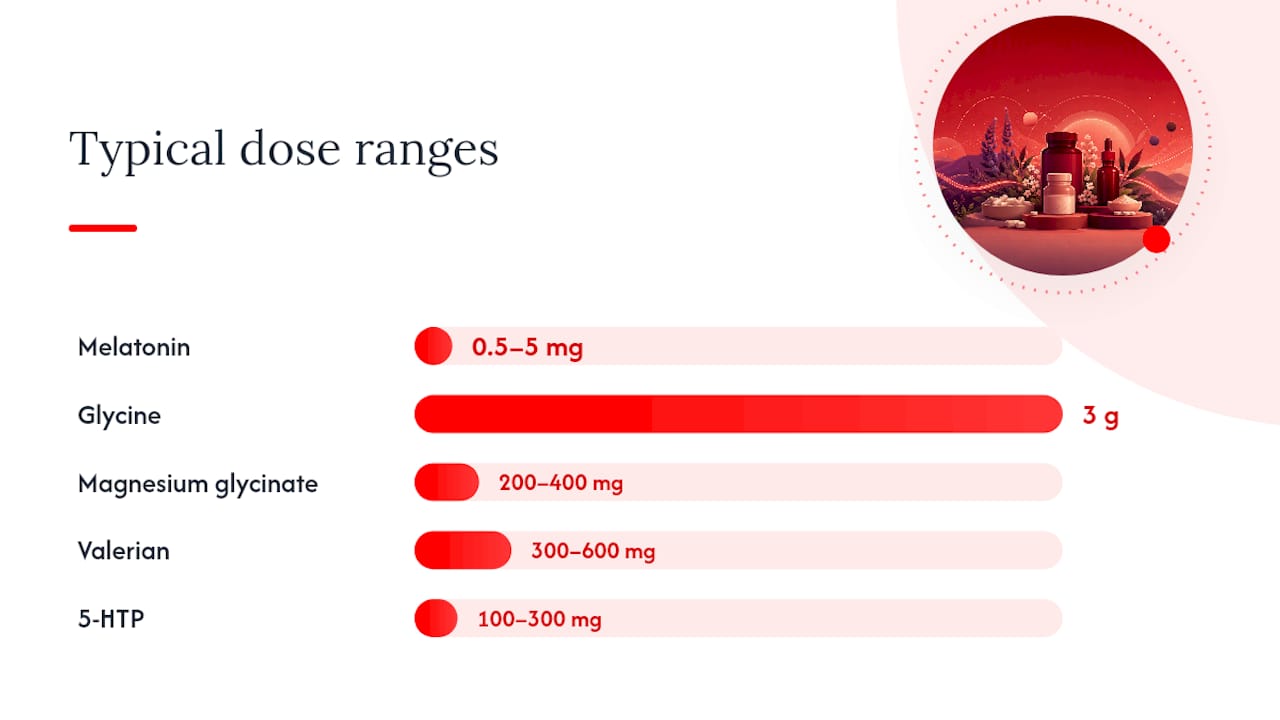
A few practical rules worth keeping in mind:
Start low, always. The lowest effective dose reduces side effects and tells you more about how your body responds. With melatonin especially, 0.5 mg is often as effective as 5 mg for circadian issues, with far less risk of morning grogginess.
Formulation matters. Immediate-release melatonin works for sleep onset; extended-release is better for sleep maintenance (waking in the night). Magnesium glycinate absorbs better than magnesium oxide and causes fewer GI issues than magnesium citrate at higher doses. Tinctures and liquid formats generally absorb faster than capsules, which can matter when timing is tight.
Trial length varies by supplement. Melatonin and L-theanine can show effects within a few nights. Valerian and passionflower often need two to four weeks of consistent use before meaningful effects appear. Magnesium typically shows results within two to four weeks. If you’re not seeing any change after four to six weeks, the supplement probably isn’t the right fit for your specific issue.
For a deeper look at melatonin timing and formulation differences, Fromwithin’s journal covers the nuances well.
How the evidence in this article was selected
Every supplement covered here was evaluated using a consistent standard: priority to randomized controlled trials (RCTs) and published meta-analyses, followed by clinical guidance from major medical centers, then observational data and expert consensus where RCT evidence was limited.
Primary sources consulted:
- Johns Hopkins Medicine: Clinical guidance on melatonin regulation, CBT-I as first-line treatment, and practical safety recommendations.
- Mayo Clinic: OTC sleep aid safety, antihistamine tolerance risks, and clinician consultation guidance.
- NIH Office of Dietary Supplements: Valerian efficacy and safety fact sheet, including interaction data.
- PMC (PubMed Central): Peer-reviewed literature reviews on herbal sleep supplements, magnesium RCTs, glycine trials, and L-theanine studies.
- NCOA (National Council on Aging): Consumer-facing evidence summaries for natural sleep aids with emphasis on safety and lifestyle integration.
Evidence strength labels used throughout this article follow a simple hierarchy: “Strong” means consistent positive results across multiple RCTs or a well-powered meta-analysis. “Moderate” means positive RCT evidence with some inconsistency or limited sample sizes. “Mixed” means some positive trials alongside null results, often with heterogeneous study designs. “Limited” means early-stage or observational data only.
A note on U.S. supplement regulation: Sleep supplements sold in the United States are regulated as dietary supplements under the Dietary Supplement Health and Education Act (DSHEA), not as drugs. This means manufacturers are not required to prove safety or efficacy before selling a product. Third-party testing by organizations like USP, NSF International, or ConsumerLab provides the most reliable quality assurance available to consumers. Always look for one of these seals when choosing a supplement.
Key Takeaways
The most effective sleep supplement is the one matched to your specific sleep problem, started at a low dose, and used as short-term support alongside good sleep habits and, for chronic insomnia, CBT-I.
| Point | Details |
|---|---|
| Match supplement to problem | Melatonin fits circadian issues; magnesium glycinate and L-theanine suit anxiety-driven insomnia; glycine supports sleep quality. |
| Start low, one at a time | Begin with the lowest effective dose of a single supplement and track results for two to four weeks before adjusting. |
| Quality control matters | Choose products with USP, NSF, or ConsumerLab certification; melatonin potency varies widely between unregulated brands. |
| CBT-I is first-line for chronic insomnia | Supplements are short-term, targeted support; Cognitive Behavioral Therapy for Insomnia remains the evidence-based gold standard. |
| Fromwithin Sleep Better | A non-melatonin, non-hormonal option with transparent ingredients, suited to busy adults who want evidence-minded sleep support without dependence. |
What I’d actually tell a friend about sleep supplements
Here’s my honest take: most people come to sleep supplements after weeks of lying awake, and they want something that works tonight. I get it. But the supplements that hold up over time are the ones used with intention, not desperation.
The approach I’d recommend is straightforward. Start with sleep hygiene (consistent wake time, cool room, no screens before bed) because no supplement compensates for a chaotic schedule. Then add one supplement that matches your actual problem. Give it two to four weeks, keep a simple log, and reassess. If it’s helping, great. If not, try a different option or, better yet, talk to a clinician about CBT-I.
What I see trip people up most often is brand-hopping. Because melatonin and herbal supplements are unregulated, switching brands mid-trial is like changing variables in an experiment. You lose the ability to know what’s working. Pick one quality product, stay consistent, and let the data from your own sleep tell you what’s true.
Supplements are genuinely useful tools. They’re just not magic, and they work best when you treat them like the targeted, temporary support they are.
Fromwithin Sleep Better: a non-hormonal option worth knowing about
If you’ve read this far and you’re looking for a sleep supplement that skips the melatonin and hormonal ingredients entirely, Fromwithin’s Sleep Better is worth a look.

Sleep Better is a non-melatonin, non-hormonal sleep aid built around transparent, evidence-minded ingredients designed to support natural relaxation for busy adults. No hormones, no habit-forming compounds, and no mystery blends. The formula is designed for people who want to wind down without worrying about dependency or morning grogginess. It fits naturally into an evening routine and is particularly well suited to professionals who need to be sharp the next day.
If you’re also thinking about the connection between quality sleep and your skin, Fromwithin’s collagen sleep support line covers that angle too. Better sleep supports skin repair overnight, and Fromwithin’s approach addresses both from the inside out.
Ready to try a cleaner approach to sleep? Visit the Sleep Better product page to see the full ingredient list and find the format that works for your routine.
Useful sources and further reading
These are the primary sources referenced throughout this article. Each one is worth bookmarking if you want to go deeper on any specific supplement or safety question.
- Sleep aids: Understand options sold without a prescription — Mayo Clinic
- PMC article (literature review) — herbal and natural supplements for sleep
This article is for general informational purposes only and is not a substitute for professional medical advice. If you have a chronic sleep condition, take prescription medications, or are pregnant or breastfeeding, consult a qualified clinician before starting any supplement.
