

on July 23, 2026

Relaxation improves sleep quality by activating your parasympathetic nervous system, the body’s built-in “rest and digest” mode, which slows your heart rate, eases your breathing, and signals your brain that it’s safe to let go. When you’re wound up from a long day, your sympathetic nervous system keeps cortisol and adrenaline circulating, making it genuinely hard to fall asleep and stay there. The good news? Techniques like progressive muscle relaxation (PMR) and mindfulness meditation directly interrupt that cycle. A meta-analysis of 31 randomized controlled trials with 2,277 patients found that PMR reduced Pittsburgh Sleep Quality Index (PSQI) scores by a clinically meaningful amount. These aren’t soft wellness claims. They’re backed by peer-reviewed research.
Here’s a quick look at what relaxation actually does for your sleep:
- Lowers pre-sleep anxiety, so you fall asleep faster
- Activates the parasympathetic nervous system, reducing heart rate and blood pressure
- Increases time spent in slow-wave sleep (SWS), the most physically restorative stage
- Decreases cognitive rumination, the mental loop that keeps you staring at the ceiling
- Reduces muscle tension that often blocks sleep without you even noticing it
Key finding: PMR before sleep increases slow-wave sleep by approximately 10 minutes, equivalent to 125% more SWS time compared to a control group.
What does the science say about relaxation and better sleep?
The evidence here is genuinely strong, and it spans multiple research designs. That 31-trial meta-analysis isn’t a one-off finding. It reflects a consistent pattern across diverse populations, including people with chronic insomnia, cancer patients, and healthy adults under stress.
PMR’s effect size in that review was a large effect in clinical research. For context, that’s a more pronounced result than many over-the-counter sleep aids produce in comparable studies. The improvements held across different intervention durations, suggesting the benefit isn’t just a short-term novelty.
Mindfulness meditation tells a similar story, though with some nuance. A systematic review of 18 randomized controlled trials with 1,654 participants found moderate-strength evidence that mindfulness meditation significantly improved sleep quality compared with nonspecific active controls, with an effect size of 0.33 at post-intervention and 0.54 at follow-up. The follow-up finding is particularly interesting because it suggests the benefits compound over time rather than fading.
| Technique | Study type | Participants | Key sleep outcome |
|---|---|---|---|
| Progressive muscle relaxation | Meta-analysis, 31 RCTs | 2,277 | PSQI reduced by 3.79 points; SMD large |
| PMR before nap | RCT | Healthy adults | 125% more slow-wave sleep vs. control |
| Mindfulness meditation | Meta-analysis, 18 RCTs | 1,654 | ES 0.33 vs. nonspecific controls post-intervention |
What makes these findings reliable isn’t just the numbers. It’s that the studies used active control groups, meaning participants in the comparison arm were also doing something (like listening to music), which rules out simple placebo effects. Relaxation techniques genuinely outperformed those controls.
- PMR effects were consistent regardless of how long the intervention lasted
- Mindfulness benefits persisted at 5–12 month follow-up in several trials
- Both techniques showed benefits across clinical and non-clinical populations
- Improvements appeared in both sleep onset latency and overall sleep quality scores
How relaxation physically changes what happens in your body at night
Your nervous system has two modes. The sympathetic branch handles stress responses, flooding your body with adrenaline and keeping you alert. The parasympathetic branch does the opposite: it slows your heart, deepens your breathing, and lowers blood pressure. Relaxation techniques activate that parasympathetic response directly, and those physiological shifts are exactly what your body needs to transition into sleep.
PMR works by having you systematically tense and release muscle groups from your feet upward. That deliberate tension-release cycle teaches your nervous system to recognize the difference between holding and letting go. Over time, your body gets faster at reaching that released state, which is why PMR’s benefits build across repeated sessions rather than peaking after one try.
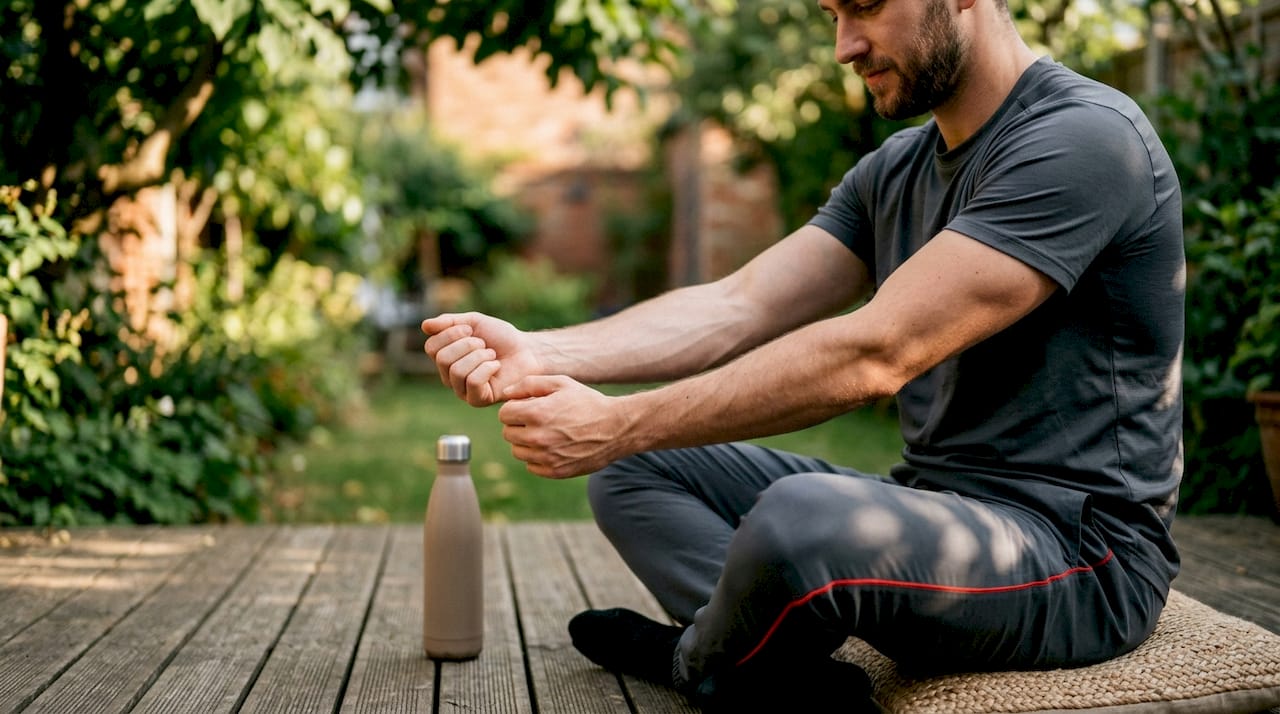
The sleep architecture changes are worth understanding. Slow-wave sleep is the stage where your body does its deepest repair work: tissue regeneration, immune function, and memory consolidation all happen here. When you’re stressed, you tend to get less of it. PMR shifts that balance, producing a SWS-rich sleep profile that leaves you feeling genuinely restored rather than just technically rested.
Key physiological changes that occur during effective relaxation:
- Heart rate slows, reducing cardiovascular load before sleep
- Breathing becomes slower and more regular, signaling safety to the brain
- Blood pressure drops, easing the body into a lower-arousal state
- Muscle tension releases, removing a common but unconscious barrier to sleep onset
- Cortisol levels decline, reducing the hormonal signal that keeps you alert
Pro Tip: Physical tension is often unconscious. You might not realize your jaw is clenched or your shoulders are raised until you deliberately tense and release them. That awareness itself is part of why PMR works.
Mindfulness meditation influences sleep through a different but complementary pathway. Rather than targeting muscle tension directly, it reduces ruminative thinking and emotional reactivity, the mental patterns that keep your brain in a low-grade alert state even when your body is tired. By training attention toward the present moment without judgment, mindfulness interrupts the cognitive loops that delay sleep onset.
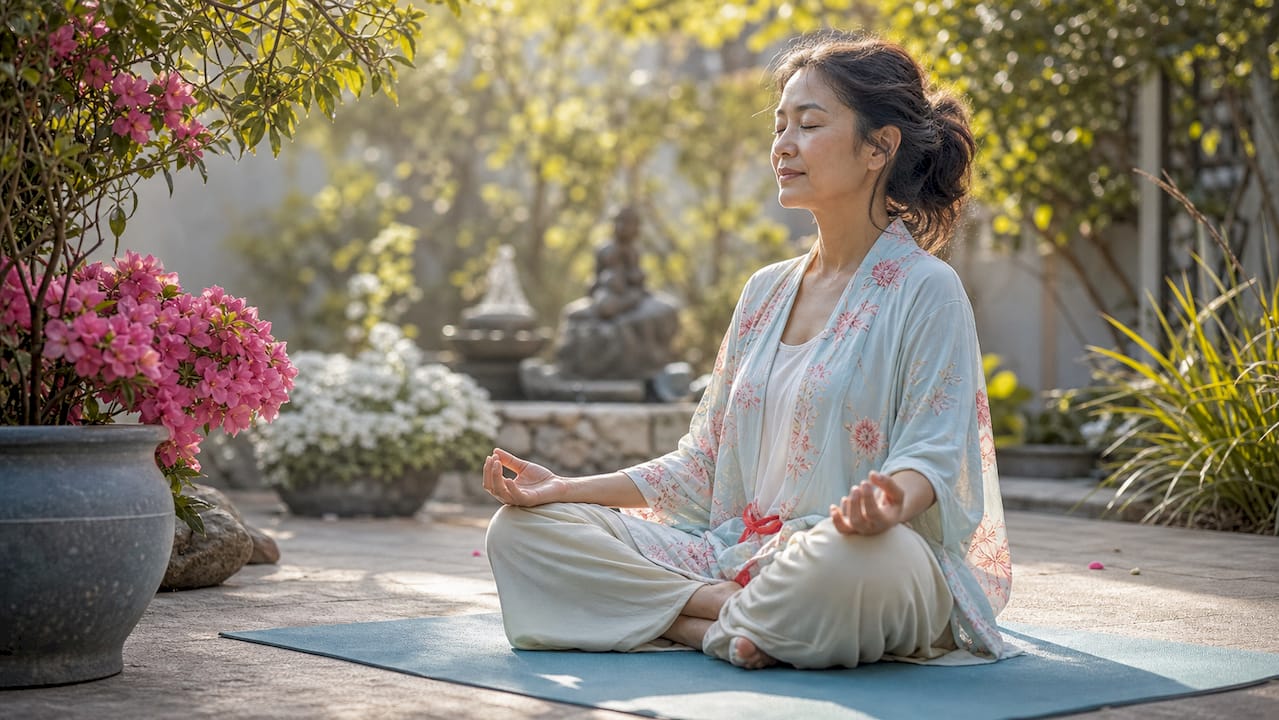
Practical relaxation techniques you can use tonight
You don’t need a therapist or a special app to get started. These techniques are accessible, free, and backed by the same research discussed above. The key is consistency, not perfection.
Progressive muscle relaxation: step by step
This is the most well-studied technique for sleep, and Harvard Health recommends it specifically for people whose insomnia stems from physical tension or a racing mind.
- Lie on your back in bed in a comfortable position, arms slightly apart with palms facing up.
- Take several slow, deep breaths through your nose and exhale with a long sigh.
- Starting at your feet, curl your toes and arch your feet. Hold briefly, then fully release.
- Move slowly upward: calves, thighs, lower back, abdomen, shoulders, arms, hands, neck, jaw, and forehead. Tense each area briefly, then let it go completely.
- If thoughts pull your attention away, gently return focus to your breath without frustration.
The whole sequence takes about 15–20 minutes. Most people notice a meaningful shift in body tension by the time they reach their shoulders.
Mindfulness meditation for sleep
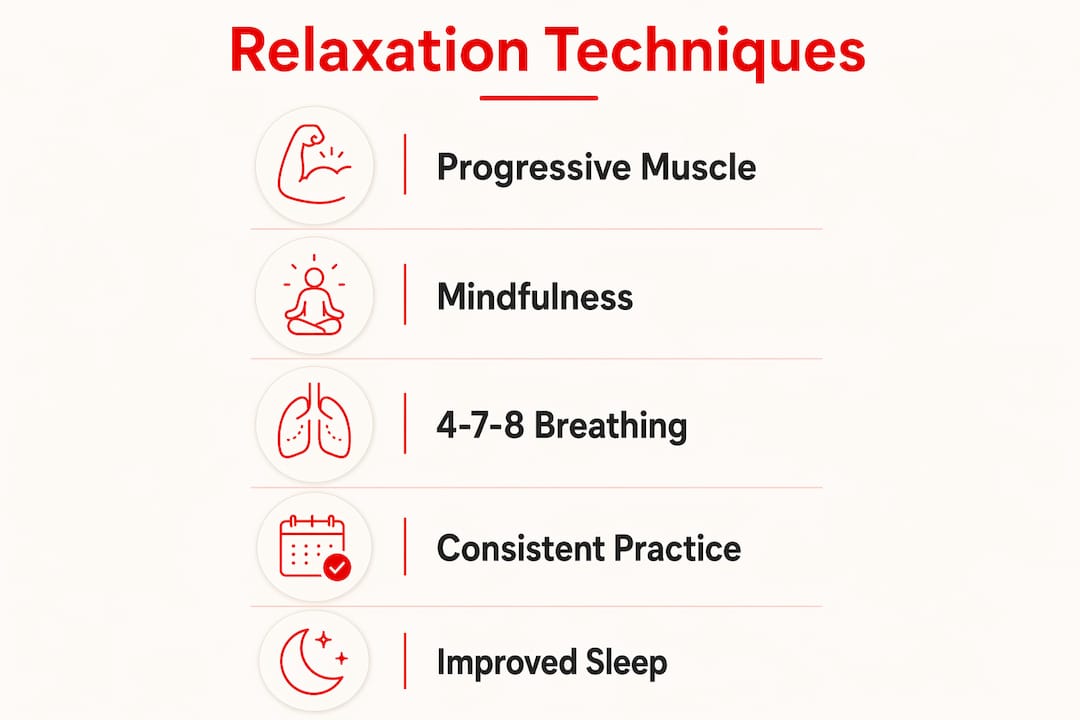
Mindfulness for sleep isn’t about emptying your mind. It’s about noticing thoughts without chasing them. Lie comfortably, close your eyes, and bring your attention to the physical sensation of breathing. When a thought appears, acknowledge it and return to the breath. That’s it. The NHS Every Mind Matters program describes this approach as one of the most accessible ways to prepare your mind for sleep.
4-7-8 breathing
This technique is simple and fast. Inhale through your nose for 4 counts, hold for 7, then exhale through your mouth for 8. The extended exhale activates the parasympathetic nervous system almost immediately. Two or three cycles are usually enough to feel the shift.
Pro Tip: Turn your phone face-down or use a dedicated audio device for guided relaxation. Screen light suppresses melatonin production, which directly undermines the relaxation you’re trying to build.
Best practices for timing and consistency:
- Start your relaxation practice 10–20 minutes before you want to fall asleep
- Practice in the same spot each night to build a sleep-associated cue
- Keep the room cool and dark before you begin
- Use audio guides if you find it hard to self-direct at first
- Stick with one technique for at least two weeks before switching
If you want a structured guide to building this into your evening, Fromwithin’s evening wind-down checklist walks through the full routine in a practical, no-pressure format.
How relaxation reduces anxiety and stress so you can actually rest
Anxiety at bedtime is one of the most common reasons people can’t fall asleep, and it’s not just psychological. When you’re anxious, your sympathetic nervous system stays active, keeping stress hormones elevated and your brain scanning for threats. Relaxation techniques work partly by changing your relationship to those anxious thoughts rather than trying to suppress them.
That distinction matters practically. Trying to stop thinking about something tends to backfire. Mindfulness-based approaches teach you to notice a worried thought, recognize it as just a thought, and let it pass without acting on it. That shift in response, not the absence of the thought itself, is what reduces pre-sleep arousal.
Relaxation is not about stopping thoughts but changing the relationship to them, reducing emotional reactivity and enabling a calm pre-sleep mental state.
Consider what happens when someone practices PMR after a stressful workday. As they move through the tension-release sequence, their attention shifts from replaying the day’s events to the physical sensations in their body. That redirection is deliberate and trained. By the time they reach their shoulders, the mental loop has usually quieted on its own, not because the problems disappeared, but because the nervous system has downshifted.
How relaxation addresses anxiety’s impact on sleep:
- Lowers cortisol and adrenaline, reducing the hormonal basis of nighttime alertness
- Trains present-moment attention, interrupting the mental replay of stressful events
- Reduces emotional reactivity, so worries feel less urgent at bedtime
- Builds a conditioned relaxation response over time, making it easier to wind down each night
- Decreases sleep onset latency by removing the cognitive arousal that delays it
If bedtime overthinking is your specific challenge, Fromwithin’s guide on stopping bedtime overthinking offers a direct, practical approach grounded in the same principles.
Why combining relaxation with good sleep habits gets you the best results
Relaxation is powerful, but it works best as part of a broader approach rather than as a standalone fix. Think of it as the engine, not the whole car. Sleep hygiene practices create the conditions where relaxation can do its job most effectively.
Integrating relaxation with sleep hygiene consistently produces better outcomes than either approach alone. A consistent sleep schedule, a cool and dark bedroom, and limiting screen time before bed all reduce the baseline arousal level that relaxation then brings down further. When your environment is already working with you, the techniques click faster.
Meditation is most likely to help aid a restful night’s sleep if used alongside other healthy sleep habits, such as going to bed and getting up at the same time every day, keeping your sleep environment cool, dark, and quiet, and avoiding the use of digital screens in your bedroom. (NHS Every Mind Matters)
Pro Tip: Treat your relaxation practice like a non-negotiable part of your evening, the same way you’d brush your teeth. Consistency builds the conditioned response that makes it work faster over time.
Sleep hygiene practices that pair well with relaxation:
- Keep a consistent sleep and wake time, even on weekends
- Set your bedroom temperature between 65–68°F for optimal sleep conditions
- Dim lights and avoid bright screens for at least 30 minutes before bed
- Reserve your bed for sleep only, so your brain associates it with rest
- Avoid caffeine after 2:00 PM and large meals within three hours of bedtime
One practical note on limitations: relaxation techniques are safe for most people, but they’re not a substitute for medical care when sleep problems are severe or persistent. People with certain anxiety disorders may initially find body-scan techniques activating rather than calming. If that’s you, starting with breath-focused meditation rather than PMR may feel more manageable. And if you’ve been lying awake for more than 20 minutes, behavioral sleep medicine guidelines recommend getting out of bed and doing something calm in low light until you feel sleepy again. Staying in bed while awake can reinforce a negative association between your bed and wakefulness.
For a deeper look at how sleep hygiene supports rest, pairing those habits with a consistent relaxation practice is where most people see the clearest improvement.
Ready to make relaxation part of your nightly routine?

If you’re looking for extra support on the nights when winding down feels harder than it should, Fromwithin’s natural sleep aid is designed to work alongside your relaxation practice, not replace it. Formulated with clinically researched ingredients and Wellnex® peptides that absorb directly into the bloodstream, it supports the calm your body needs to transition into deep, restorative sleep without dependence or grogginess the next morning. Think of it as giving your relaxation routine a gentle boost from the inside out.
Key Takeaways
Relaxation improves sleep quality by activating the parasympathetic nervous system, reducing anxiety and muscle tension, and increasing time in slow-wave sleep, with PMR showing a PSQI reduction of 3.79 points across 31 clinical trials.
| Point | Details |
|---|---|
| PMR has strong clinical backing | A meta-analysis of 31 RCTs found PMR reduced PSQI scores by 3.79 points with a large effect size. |
| Slow-wave sleep increases with PMR | PMR before sleep produces 125% more slow-wave sleep time compared to a control group. |
| Mindfulness targets cognitive arousal | Mindfulness meditation reduces rumination and emotional reactivity, easing sleep onset. |
| Combine relaxation with sleep hygiene | Pairing relaxation techniques with a consistent schedule and dark, cool room produces the best results. |
| Consistency builds the response | PMR’s neural retraining effect develops over repeated practice, not from a single session. |
